Dolly Parton Reading Scheme Sparks Virtue Signalling Claim
Tories say any initiatives must have measurable outcomes
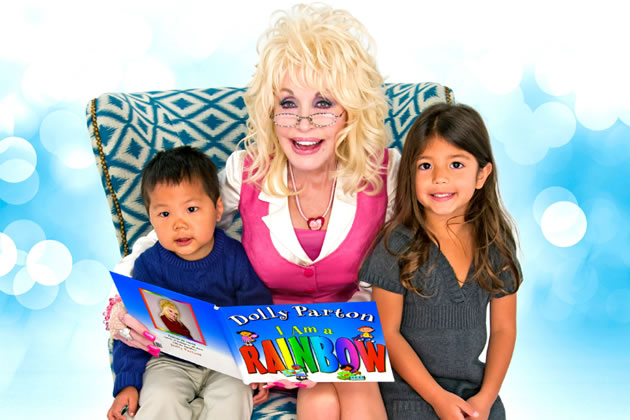
Dolly Parton aims to support early literacy development and foster a love of reading
July 24, 2026
A Labour proposal to expand earlyyears literacy support in Hounslow prompted a heated exchange at Tuesday night’s (21 July) Borough Council meeting, with the Conservative Group voting against the motion and tabling its own amendment calling for clearer measurement of progress. The debate centred on Labour’s plan for the borough to join the Dolly Parton Imagination Library – a scheme that posts free books to children under five – alongside wider ambitions to increase library use and extend opening hours across the borough.
Labour councillors argued that the motion formed part of a broader effort to tackle school-readiness gaps and long-standing inequalities in early literacy. The proposal would see library cards issued to newborns, expanded opening hours at libraries, and greater signposting of support available through the borough’s Community Hubs. Labour said the measures were designed to embed reading habits early and ensure families can access books, advice and council services more easily.
The Conservative Group opposed the motion and put forward an amendment seeking commitments to measure library attendance and track the impact of the proposals. Cllr Linden Grigg, who proposed the amendment, said the Labour motion lacked detail on how progress would be assessed. He argued that while access to books is important, the council should commit to monitoring how libraries are used and whether the scheme improves literacy in practice. He also pointed to national concerns about declining enjoyment of reading among children, saying that “throwing library cards at newborns” would not guarantee success without proper evaluation.
Cllr Grigg said the most significant improvements in literacy in recent years had come from changes to phonics teaching, and criticised the motion for making no reference to schools. He also linked the issue to wider debates about school provision in the borough, saying that “perhaps that’s because Hounslow Labour are closing them.” He described the motion as “a masterclass in virtue signalling” and said the Conservative amendment was intended to ensure that any literacy initiative was accompanied by measurable outcomes.
Cllr Gabriella Giles, who seconded the amendment, said she had repeatedly seen Labour motions that “either commit to doing something they should be doing in the first place, or try to present a history that is based on a prejudiced view.” She argued that understanding how residents use libraries is essential to improving services and ensuring they remain open. Recording activity levels, she said, would provide baseline data that could inform future decisions.
Labour councillors rejected the amendment and criticised the Conservative Group for voting against the motion. Labour Leader Cllr Shantanu Rajawat said the vote showed the Conservatives were “willing to vote against a motion calling for free books for kids.” He framed the proposal as part of a wider effort to address inequality, pointing to national figures showing that disadvantaged pupils fall significantly behind their peers by the end of primary school. He said the Labour administration was working to “fix the inequalities that they caused” during years of Conservative government.
Labour’s Cabinet Member for Children and Young Futures, Cllr Madeeha Asim, said early literacy was a key building block for children’s development and future opportunities. She described libraries as “valuable third spaces” and said the administration wanted access to a library to be “akin to a birth right.” Cllr Ajmer Grewal, Cabinet Member for Communities, Culture and Safety, highlighted the borough’s investment in libraries during years when other councils were forced to close them, and said the proposed expansion of opening hours – potentially by as much as 80 per cent – would strengthen their role as community hubs.
The Labour Group also noted that Hounslow has one of the highest levels of library accessibility in the country, with 63 per cent of residents living within a 15-minute walk of a library. They said the Imagination Library scheme would build on this foundation by ensuring every child under five could receive high-quality books at no cost to their family.
The Conservative Group maintains that its amendment was intended to strengthen the motion, not oppose literacy initiatives. Cllrs Grigg and Giles said they supported efforts to improve reading levels but believed the council should commit to measuring outcomes and understanding how residents use library services. Labour councillors countered that the Conservatives were simply unwilling to back a progressive measure.
The debate ended with Labour’s motion passing without the Conservative amendment, leaving the administration to pursue its plans for expanded library access and participation in the Imagination Library scheme. The disagreement, however, underscored deeper political divisions over how best to support early-years development – and how to measure success.
Like Reading Articles Like This? Help Us Produce More This site remains committed to providing local community news and public interest journalism. Articles such as the one above are integral to what we do. We aim to feature as much as possible on local societies, charities based in the area, fundraising efforts by residents, community-based initiatives and even helping people find missing pets. We’ve always done that and won’t be changing, in fact we’d like to do more. However, the readership that these stories generates is often below that needed to cover the cost of producing them. Our financial resources are limited and the local media environment is intensely competitive so there is a constraint on what we can do. We are therefore asking our readers to consider offering financial support to these efforts. Any money given will help support community and public interest news and the expansion of our coverage in this area. A suggested monthly payment is £8 but we would be grateful for any amount for instance if you think this site offers the equivalent value of a subscription to a daily printed newspaper you may wish to consider £20 per month. If neither of these amounts is suitable for you then contact info@neighbournet.com and we can set up an alternative. All payments are made through a secure web site. One-off donations are also appreciated. Choose The Amount You Wish To Contribute. If you do support us in this way we’d be interested to hear what kind of articles you would like to see more of on the site – send your suggestions to the editor. For businesses we offer the chance to be a corporate sponsor of community content on the site. For £30 plus VAT per month you will be the designated sponsor of at least one article a month with your logo appearing if supplied. If there is a specific community group or initiative you’d like to support we can make sure your sponsorship is featured on related content for a one off payment of £50 plus VAT. All payments are made through a secure web site. |